

7 Reasons to Hire Professional Contractors for Interior Painting
Interior painting can dramatically change the appearance and atmosphere of a home, but achieving a clean, consistent finish requires more than choosing a color and applying paint to the walls. Surface preparation, product selection, application techniques, drying conditions, and detailed finishing work all influence the final result. Homeowners who attempt the project themselves may quickly discover that interior painting requires considerable time, patience, and attention to detail. Professional painting contractors can manage the process from preparation through cleanup while helping homeowners avoid common mistakes that may affect the appearance or durability of the finished surfaces. Understanding the benefits of hiring experienced professionals can make it easier to decide when expert assistance is worthwhile for an interior painting project.
1. Preparing Interior Surfaces Properly
Successful interior painting begins long before the first coat of paint is applied. Walls may contain nail holes, dents, cracks, peeling areas, stains, or uneven patches that need attention before painting begins. Dust, grease, and other residue can also prevent paint from adhering properly. Professional preparation may include cleaning surfaces, filling holes, sanding rough areas, repairing minor damage, and applying primer where necessary. Completing these steps carefully helps create a smoother foundation for the new finish.
Experienced painting contractors understand how different surface conditions affect preparation requirements. Drywall, wood trim, previously painted surfaces, and other materials may require different techniques or products before painting. Professionals can evaluate the condition of each area and address problems that might otherwise remain visible after the paint dries. Proper preparation can reduce uneven textures, visible patches, peeling, and other imperfections while giving the finished room a cleaner and more polished appearance.
2. Selecting Appropriate Paint and Materials
Choosing paint involves more than finding an appealing color. Different rooms and surfaces may benefit from different formulas, finishes, primers, and application tools. Kitchens and bathrooms, for example, can experience higher humidity than bedrooms or living rooms, while trim and doors may need products designed to withstand regular contact. The sheen of the paint can also influence how the finished surface looks and how easily it can be cleaned.
Professional painters can help homeowners select products that match the demands of each space. According to Workyard, more than 1.4 billion gallons of paint are used by U.S. homeowners each year. With so many products and finishes available, understanding their differences can help prevent unnecessary purchases or unsuitable choices. Painting contractors can recommend materials based on the surface, room conditions, desired appearance, and maintenance expectations, helping homeowners make practical decisions before the project begins.
3. Applying Paint With Consistent Techniques
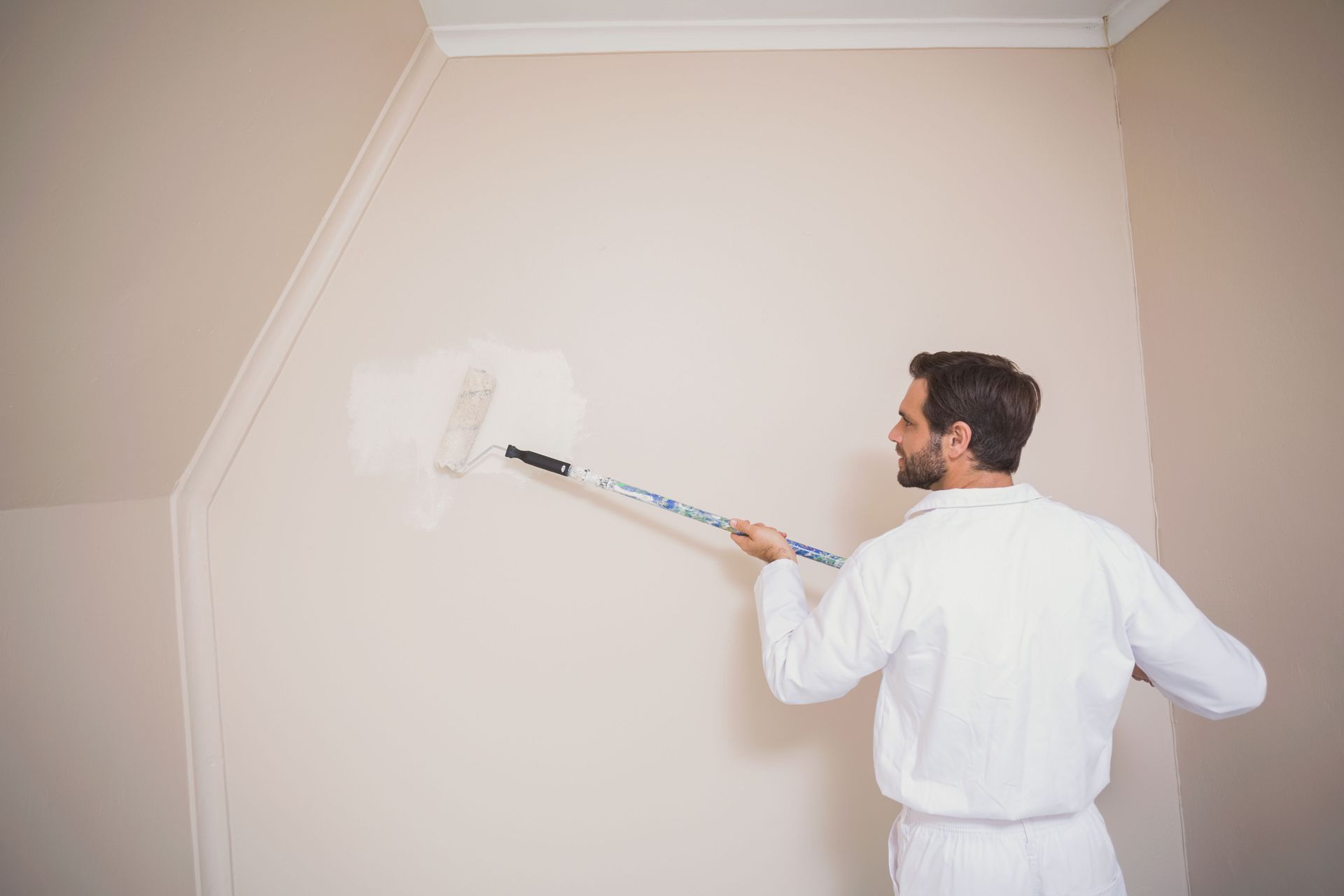
Even high-quality paint can produce disappointing results when it is applied unevenly. Roller marks, brush lines, drips, thin areas, and inconsistent coverage can become especially noticeable under natural or artificial light. Applying paint evenly requires maintaining appropriate pressure, using the correct amount of product, and blending freshly painted sections before edges begin to dry. Corners, ceilings, trim, and transitions between colors require additional precision.
Painting contractors use established techniques to create consistent coverage across large surfaces and detailed areas. Professionals know when to use brushes, rollers, or other tools and how to work efficiently without sacrificing accuracy. They can also determine when additional coats are needed to achieve the desired color and finish. Consistent application helps walls look uniform throughout the room and reduces the likelihood that homeowners will need to correct visible mistakes after the project is completed.
4. Protecting Furniture and Interior Features
Painting a room can create risks for floors, furniture, fixtures, hardware, and other nearby surfaces. Paint splatters and spills can be difficult to remove once they dry, particularly from carpeting, upholstery, wood flooring, or decorative features. Preparing the work area usually involves moving furniture, covering larger pieces, protecting floors, removing or covering outlet plates, and carefully masking surfaces that should not be painted.
Professional painting contractors take steps to protect the surrounding space before beginning the application process. Drop cloths, protective coverings, painter's tape, and other materials can help isolate the work area and reduce accidental damage. Professionals are also accustomed to working around permanent fixtures, cabinetry, built-in features, and architectural details. Careful protection allows attention to remain focused on painting while helping homeowners avoid the additional expense and frustration associated with cleaning or repairing accidentally painted surfaces.
5. Completing Projects More Efficiently
Interior painting can require more time than homeowners initially expect. Preparation, furniture movement, taping, priming, painting, drying, touch-ups, and cleanup can turn a seemingly simple weekend project into a much longer process. Larger homes or projects involving multiple rooms can become particularly demanding when homeowners are trying to balance painting with work, family responsibilities, errands, and other obligations.
Hiring painting contractors can make the process more manageable because professionals arrive with the tools, materials, and experience needed to complete each stage efficiently. A professional crew can divide responsibilities and work systematically through the project instead of requiring one homeowner to handle every task alone. Efficient scheduling can minimize the amount of time rooms remain unavailable and help households return to their regular routines sooner without rushing the work or skipping necessary preparation steps.
6. Handling Detailed Areas With Greater Precision
Interior painting often includes much more than broad walls. Baseboards, crown molding, door frames, window trim, corners, stairways, ceilings, and other detailed areas can require careful brushwork and steady application. These sections may also involve different colors or finishes, making clean transitions particularly important. Small mistakes around trim or ceilings can become noticeable even when the rest of the wall has been painted successfully.
Experienced painting contractors are accustomed to working with these detailed features and can use appropriate techniques to create cleaner edges and transitions. Professional attention can be especially valuable in rooms with intricate molding, built-in shelving, accent walls, or other architectural elements. Careful detail work helps the entire space look finished rather than drawing attention to uneven lines, missed areas, or accidental overlap. Precision also reduces the need for repeated touch-ups after the primary painting work is complete.
7. Achieving a More Durable Finished Result
A freshly painted room should continue looking attractive after the project is finished. Durability depends on several factors, including surface preparation, paint quality, application methods, and adequate drying time between coats. If surfaces are not properly prepared or paint is applied too heavily, too thinly, or before previous layers have dried, the finish may be more likely to peel, bubble, chip, or wear unevenly.
Professional painters can follow a systematic process designed to support lasting results. They can evaluate surface conditions, use compatible primers and paints, apply appropriate coats, and allow sufficient drying time based on the products being used. This attention to each stage can help homeowners get more value from an interior painting project. A durable finish may also reduce the frequency with which walls need repainting or extensive touch-ups, making careful professional work beneficial beyond the immediate visual improvement.
Interior painting can refresh outdated rooms, introduce new colors, and improve the overall appearance of a home, but achieving a polished result requires careful preparation and consistent workmanship. Professional painting contractors can help homeowners choose suitable materials, prepare surfaces, protect furnishings, manage detailed areas, and apply paint evenly while completing the project efficiently. Their experience can also help create a finish that remains attractive and durable after the work is completed. Instead of managing the many stages of an interior painting project alone, homeowners can rely on professionals to coordinate the process from start to finish. If you are ready to update the interior of your home with professional painting services, contact Martinez Painting today.


Share On: